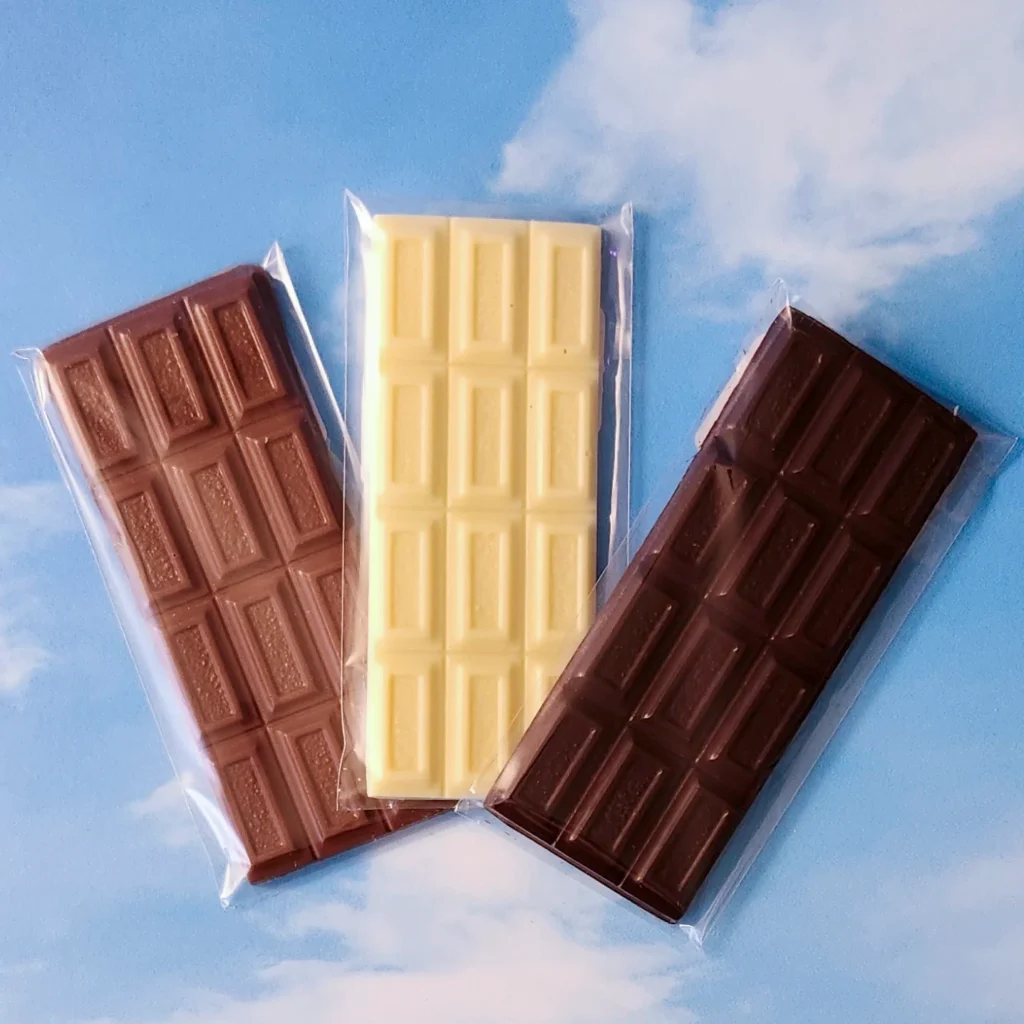
Conversations around everyday consumption now include deeper thoughts about what remains after use. Wrappers, boxes, and inner seals often outlast the treats they once protected. Choices made at the shelf quietly shape soil health, water clarity, and air quality. Even small snacks can create large ripples when multiplied by millions. Products like thc chocolate often come with layered materials that complicate disposal.
Waste Patterns in Modern Edibles
Single-use materials dominate most edible containers. Plastic films, foil linings, and glossy paperboard add visual appeal but resist breakdown. These items travel from homes to landfills, where they sit for decades. Understanding this pattern helps explain why smarter material choices matter.
Common Materials and Their Effects
Packaging types influence how waste behaves after disposal. Some break down, while others linger.
- Plastic wraps remain intact for decades under normal landfill conditions.
- Aluminum foil requires significant energy for recycling processes.
- Wax-coated papers resist moisture but complicate composting methods.
- Multi-layer laminates rarely separate into recyclable components.
- Ink-heavy boxes release toxins during improper burning.
- Bioplastics often need special facilities to decompose correctly.
- Glass jars travel safely, but increase transportation emissions.
- Cardboard sleeves absorb oils, limiting reuse options.
Why Sustainable Packaging Matters

Eco-friendly designs reduce pressure on natural systems. They use fewer resources and break down more easily. When adopted widely, these changes lower pollution and landfill overflow. Small shifts in materials lead to meaningful outcomes.
How does packaging waste affect the natural balance daily?
Discarded wrappers block waterways, disturb wildlife, and release harmful chemicals. Over time, these materials fragment into tiny particles that enter food chains. This process harms fish, birds, and soil organisms.
Smarter packaging limits these dangers by using fibers, starches, or reusable containers. These options return safely to nature or stay useful longer.
Innovations Driving Greener Choices
Plant-based films, mushroom foam, and seaweed wraps are gaining attention. These options replace petroleum plastics with renewable resources. Many brands now test compostable inks and water-based adhesives. Such changes reduce harm without sacrificing product protection.
Consumer Role in Packaging Decisions
Shoppers influence trends through purchases. Choosing refillable tins or paper wraps encourages companies to invest in better options. Community feedback also shapes brand direction. Items like thc chocolate now appear in minimalist packaging as demand grows. This shift proves that awareness guides progress.
FAQ on Custom Art Curation
- How do custom art curation firms select pieces for specific brand moods? They align visuals with emotional goals.
- What services do design firms offer beyond artwork sourcing? Many manage installation, lighting, and placement.
- Do art curators handle corporate branding themes? Yes, they match visuals to company identity.
Forward Views on Packaging
Better habits shape tomorrow’s environment. Thoughtful design protects ecosystems while meeting daily needs. People now value materials that return safely to nature. Innovation continues to replace outdated systems. Every choice supports cleaner spaces and healthier communities.